Most business owners on YouTube are playing the wrong game.
They obsess over subscriber counts. They celebrate view milestones. They post three times a week hoping the algorithm will finally "pick them up." And at the end of the quarter, they check their actual revenue from YouTube and the number is... embarrassing.
Meanwhile, Ed Lawrence (Film Booth) has generated over $9 million from YouTube. His clients include a permanent makeup artist pulling $100K per month from 300 views per video and creators generating $35,000 from a single video with 800 views.
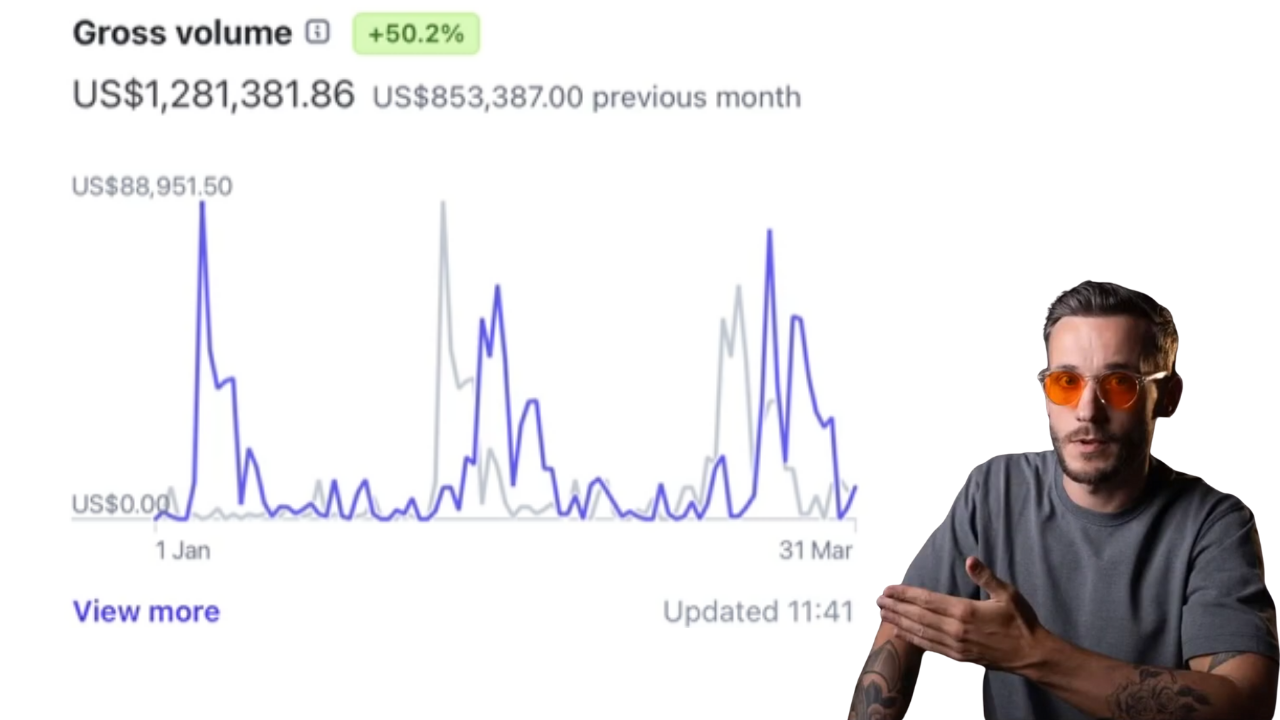
Ed's approach confirms something I see every time I audit a software company's YouTube channel: the gap between "getting views" and "getting revenue" is not a content problem. It is a strategy problem. The companies I work with at TY Growth typically have plenty of videos. What they do not have is a system for turning those videos into pipeline. Ed has built exactly that system, and the principles behind it apply whether you are a solo creator or a SaaS company with a marketing team.
There are roughly 20 principles that drive his approach, but five of them do the heaviest lifting. These are the same five I prioritize when building a YouTube growth roadmap for my clients.
1. Stop Optimizing for Views. Start Optimizing for Buyers.
Ed had a 370,000-subscriber channel generating millions of views. He walked away from it. Why? Because the audience was wrong. He was attracting hobbyists, entertainment seekers, and casual viewers who would never buy anything.
His new channel targets one specific person: business owners using YouTube to grow. Every video solves one of their top three problems. The result? He made 4x more revenue with significantly fewer views.
This is the first thing I look at in every channel audit. When I run an ICP analysis for a client, I am not asking "what topics get the most views?" I am asking "what problems does your buyer have, and which of those problems can you solve on camera in a way that builds trust?" The answer to that question changes everything about your content strategy.
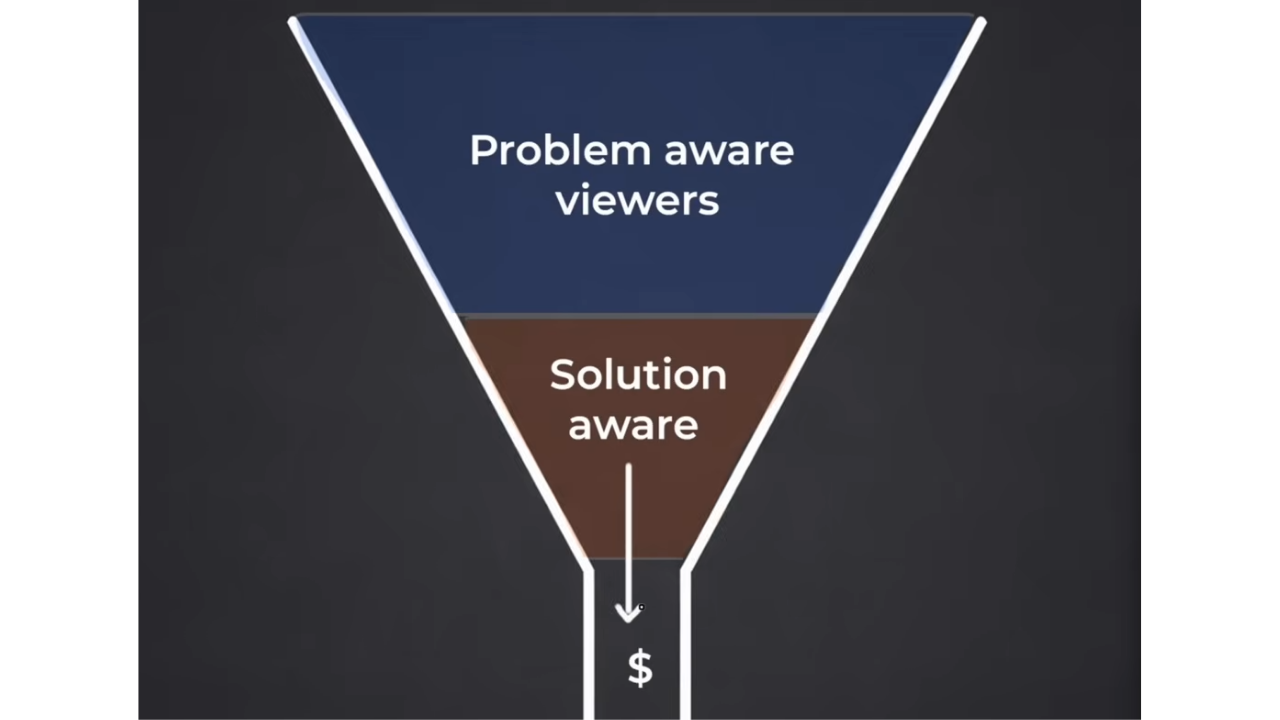
A video that gets 2,000 views from the right people will outperform a video that gets 200,000 views from the wrong ones every single time.
2. Build Videos That Sell While You Sleep
Ed shared a comparison that should make every business owner rethink their content strategy. One of his videos got 35,000 views and generated $90,000 in revenue. Another got 300,000 views and generated $9,000. YouTube Studio actually told him the high-revenue video was a bad performer. His bank account told a different story.
The difference? The $90K video was what I call a "Magic Money Printer." It solved a specific, burning problem for his ideal buyer. It was evergreen, meaning people search for it year-round. And it was designed from the start to move viewers toward his offer. Not as an afterthought. Not as a "link in bio" hope. The entire video was structured so that watching it naturally created desire for the paid solution.
The Tinder / Sticks / Logs Framework
When I build content roadmaps for clients, I categorize every video into three tiers: broad awareness content (what I call "Tinder"), mid-funnel trust content ("Sticks"), and hyper-targeted conversion content ("Logs"). Ed's $90K video is a perfect Log. Most channels I audit have zero Logs. They are producing nothing but Tinder and wondering why nobody is clicking through to their website.
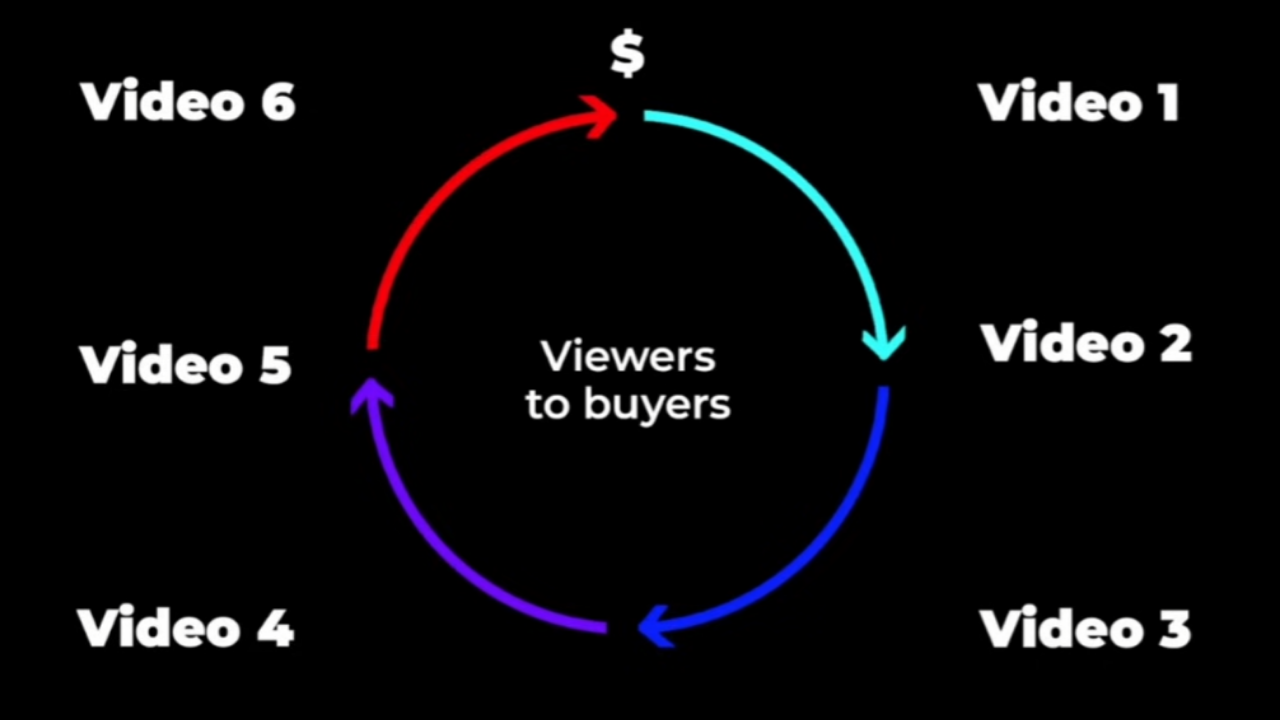
If your videos are not built with a revenue outcome in mind before you hit record, you are creating content for content's sake. That is an expensive hobby, not a business strategy.
3. Your Call to Action Is Broken (and It Is Costing You Everything)
The average creator gets about 1% of their viewers to click a link. Ed gets 8 to 10%. That is not a small gap.
His playbook for this is straightforward. He mentions the CTA within the first 90 seconds, after delivering value but before viewers start dropping off. He ties the CTA directly to the problem the video just solved. He uses tools, templates, and resources inside the video itself, then offers those exact tools for free with a link below. And he keeps the landing page simple and distraction-free.

Here is the part most people miss: he mentions the offer two to three times throughout the video, not once at the end when half the audience is already gone. Cold viewers keep watching. Warm viewers click. Revenue follows the warm viewers.
4. Win the First 15 Seconds or Lose the Viewer Forever
Ed treats the first seconds of every video like a store window. A potential customer is walking past. You have one chance to make them stop.
His approach: no channel intros. No "hey guys, welcome back." No logos. No asking for likes and subscribes. Instead, he opens with immediate proof of value. A surprising statistic, a bold claim, or a direct acknowledgment of the viewer's problem. The goal is to confirm in the viewer's mind within 15 seconds that this video is worth their time.
For business channels especially, this is critical because you have zero built-in trust with new viewers. Unlike entertainment creators who can coast on personality, you need to demonstrate competence immediately. Every second of fluff at the beginning is a percentage of your audience walking away before they ever hear your message.
When I review client channels, the intro is one of the first things I flag. Most business videos do not truly start until the 30 or 45 second mark, and by then, half the audience is already gone.
5. Your Returning Viewers Are Your Real Revenue
YouTube Studio tracks dozens of metrics. Ed pays attention to one above all others: returning viewers. These are people who have watched multiple videos on your channel. They already trust you. They already understand your expertise. They are the warm audience that actually buys.
His end screen strategy reflects this. Instead of pointing to a random "next video," he sends every end screen to either his highest-converting video or the video most closely tied to his offer. His end screen click-through rate hits around 20%, compared to the typical 3% browse rate. That second video often leads directly to his email list, which leads to the sale.
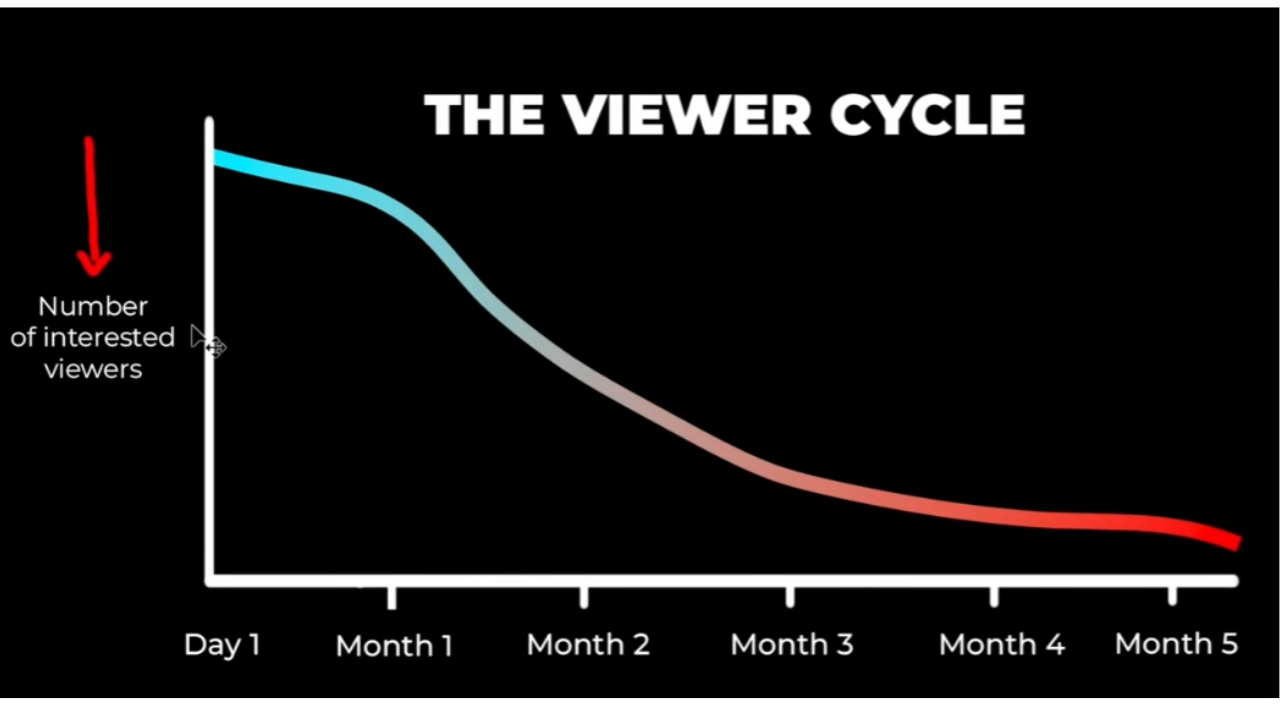
Stop obsessing over attracting new viewers and start building a content ecosystem that keeps your existing viewers coming back. A viewer who has watched 8 or more of your videos is exponentially more likely to buy than someone who just discovered you. Structure your content to create binge-watchers, not one-time visitors.
Score Yourself: How Does Your Channel Stack Up?
These five principles are the foundation. If you want to know where you stand right now, run through this quick self-assessment:
Channel Self-Assessment
- Buyer Alignment — Are 80%+ of your videos targeted at a specific buyer's problems, or are you creating broad content hoping the right person finds it? (Yes = 1 point)
- Revenue-Designed Content — Do you have at least 3 videos on your channel that are intentionally built to drive viewers toward your offer? (Yes = 1 point)
- CTA Performance — Is your average link click-through rate above 3%? If you do not know the number, the answer is no. (Yes = 1 point)
- Hook Strength — Do your videos start delivering value in the first 10 seconds with zero fluff, intros, or branding? (Yes = 1 point)
- Binge Architecture — Are your end screens and content structure designed to move viewers deeper into your channel toward your highest-converting videos? (Yes = 1 point)
If you scored 4-5: Your foundation is solid. You likely need refinement, not a rebuild. Focus on optimizing your CTAs and building more "Magic Money Printer" videos.
If you scored 2-3: You are doing some things right but leaving significant revenue on the table. A focused 90-day roadmap could close the gaps quickly.
If you scored 0-1: Your channel is likely costing you more than it is making you. The good news is that the fix is structural, not creative. You do not need better videos. You need a better strategy behind them.
Want These Principles Mapped to Your Channel?
Everything above is the full playbook. No secrets held back. But knowing the principles and implementing them correctly on your specific channel are two very different things.
If you scored below a 4, here is what I would suggest: book a free channel review call with me. On that call, I will pull up your channel live, map these five principles against your actual content, identify your highest-potential "buyer videos," and outline a 90-day roadmap to start turning views into revenue. No pitch unless it makes sense for both of us.
.png)
Work with Me
Book a free channel review call. I will pull up your channel live, map these five principles against your actual content, and outline a 90-day roadmap to start turning views into revenue.
Book a Free Channel Review →You do not need more views. You need the right strategy behind the views you already have.
— Jack McHalffey
TY Growth
P.S. - Want more content strategy insights like this? We send exclusive breakdowns to our newsletter subscribers every week. Sign up here.